Canada
 Colombia
 India
India Jamaica
 Philippines
 UK
UK US
US SA
SADelivering a great customer experience (CX) is essential for businesses that want to grow and retain loyal customers. One of the most effective ways to understand how customers interact with a brand is through customer journey mapping. It helps organizations visualize how customers move from awareness to purchase and beyond.
A well-designed consumer journey map allows businesses to analyze customer behaviour, identify pain points, and improve interactions across multiple touchpoints.
By following a structured customer journey mapping process, companies can create better experiences, improve customer journey management, and strengthen long-term relationships.
What Is Customer Journey Mapping?
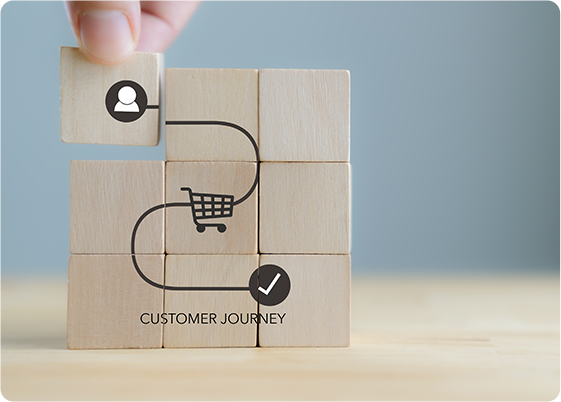
Customer journey mapping is the process of visually representing the steps customers take when interacting with a brand, product, or service. It outlines the customer journey stages, from the moment a potential customer first becomes aware of a company to the point where they become loyal advocates.
In simple terms, what is customer journey mapping? It is a structured method of understanding how customers think, feel, and behave throughout their interactions with a business.
A typical customer journey roadmap includes:
- Customer goals and motivations
- Key interaction points with the brand
- Emotions and experiences during each stage
- Challenges or obstacles customers face
By conducting a detailed customer journey analysis, businesses can understand customer expectations and design experiences that meet or exceed them.
Why Customer Journey Mapping Matters
Understanding the customer journey importance is critical for companies aiming to improve CX and build stronger relationships with their customers.
Here are several reasons why customer journey mapping matters:
- Improves Customer Experience: Mapping interactions allows businesses to see their services from the customer’s perspective.
- Identifies Gaps in Service Delivery: Companies can quickly detect breakdowns in communication, slow response times, or confusing processes.
- Supports Better Decision-Making: A well-structured customer journey strategy provides insights that help teams prioritize improvements.
- Enhances Customer Retention: Businesses that understand the customer journey are better positioned to implement effective customer retention strategies.
- Aligns Teams Across Departments: Marketing, sales, customer service, and product teams can work together using a shared customer journey roadmap.
Companies offering customer support services—such as those providing call center jobs in Canada—often rely on journey mapping to improve service quality and deliver consistent experiences.
Step-by-Step Strategy for Effective Customer Journey Mapping
A successful customer journey mapping process requires careful planning, data analysis, and continuous improvement. Below is a structured customer journey strategy that organizations can follow.
Step 1: Define Clear Objectives
The first step in the customer journey is setting clear goals for the journey map. Businesses must decide what they want to achieve through the mapping exercise.
Objectives may include improving onboarding experiences, reducing customer churn, identifying service inefficiencies, or enhancing support channels.
Step 2: Create Detailed Customer Personas
Customer personas represent different types of customers who interact with your brand. These fictional profiles are based on research, customer data, and behavioural insights.
Personas help businesses design a consumer journey map that accurately reflects real customer needs.

Step 3: Identify Key Customer Touchpoints
Touchpoints are moments when customers interact with your brand. These interactions may occur through websites, mobile apps, customer service, or social media.
Understanding these touchpoints is essential for effective customer journey management because each interaction influences the overall experience.
Step 4: Map the Customer Journey Stages
Once touchpoints are identified, businesses can define the customer journey stages. Common customer journey phases include:
- Awareness
- Consideration
- Purchase
- Retention
- Advocacy
Step 5: Identify Pain Points and Gaps
One of the most valuable outcomes of customer journey mapping is identifying areas where customers face problems.
By identifying the pain points during customer journey analysis, businesses can prioritize improvements and strengthen their customer journey strategy.

Step 6: Capture Customer Emotions
Customer decisions are often influenced by emotions. Therefore, effective journey maps include emotional insights at each stage.
Understanding emotional responses helps organizations improve the overall experience and build stronger connections with customers.
Step 7: Use Data to Validate the Map
Data is essential for verifying whether a journey map accurately reflects real customer behaviour.
Businesses can use:
- Customer feedback surveys
- Website analytics
- Customer support data
- Sales insights
Data-driven validation strengthens the customer journey mapping process and ensures the customer journey strategy is grounded in reliable insights.
Developing analytical thinking and other essential career growth skills can also help professionals perform more effective journey mapping.
Step 8: Take Action and Optimize
After mapping the journey and identifying insights, businesses must implement improvements.
Organizations that actively optimize their customer journey management can significantly improve satisfaction and loyalty.
Step 9: Continuously Update the Journey Map
Customer expectations and behaviours evolve. As a result, journey maps should not remain static. Businesses should regularly revisit and update their customer journey roadmap.
Continuous updates ensure that the customer journey mapping process remains accurate and effective.
Challenges of Customer Journey Mapping
While customer journey mapping offers many benefits, businesses may encounter several challenges during implementation.
Delayed ROI
Journey mapping often requires time and resources before delivering measurable results. Organizations may experience a delayed return on investment as improvements are gradually implemented.
Effort of Integration
Creating a comprehensive customer journey roadmap often requires collaboration across multiple departments. Integrating marketing, sales, and support data can be complex and time-consuming.

Quality of Integration
Even when systems are integrated, inconsistent or incomplete data may affect the quality of customer journey analysis. Businesses must ensure that data sources are reliable and aligned.
Journey Measurement
Measuring improvements in CX can be challenging. Companies must identify appropriate metrics such as customer satisfaction scores, retention rates, and support resolution times.
Journey Validation and Testing
Validating that a consumer journey map accurately reflects customer behaviour requires ongoing testing. Businesses must gather feedback, analyze performance data, and refine the map accordingly.
Conclusion
Customer journey mapping is a powerful tool that helps businesses understand customer experiences from start to finish. By following structured customer journey steps, organizations can create effective customer journey strategies, identify gaps, and improve service delivery.
Companies across Canada are increasingly using journey mapping to enhance CX and strengthen customer relationships. With the right customer journey roadmap and data-driven insights, businesses can deliver more meaningful experiences and improve long-term success.
Organizations such as HGS Canada support this transformation by helping businesses optimize customer interactions, improve service operations, and deliver better customer experiences through advanced customer engagement solutions.
FAQ
-
What data is needed to build a journey map?
Customer feedback, website analytics, sales data, customer support records, and behavioural insights are commonly used to build an accurate journey map.
-
How often should a journey map be updated?
Most organizations review and update journey maps every 6–12 months or whenever significant changes occur in customer behaviour or business strategy.
-
Can small businesses benefit from journey mapping?
Yes. Journey mapping helps small businesses understand customer needs, improve experiences, and build stronger relationships, even with limited resources.
-
How do you validate that your journey map is accurate?
Validation involves analyzing customer data, conducting surveys, testing assumptions, and comparing journey insights with real customer behaviour.