UK
UK Canada
 Colombia
 India
India Jamaica
 Philippines
 US
US SA
SA
A cover letter is one of the most valuable tools you can use to strengthen your job application. Whether you are applying for BPO jobs, creative roles, or technical positions, a well-written cover letter helps you introduce yourself professionally and show why you are the right fit.
In the UK job market, where competition can be strong across industries, your cover letter should be clear, structured, and personalised.
This guide shares practical cover letter tips, essential structure, and detailed cover letter writing advice on how to tailor your application letter for each role. The aim is to help job seekers and professionals write strong, impactful letters that stand out to hiring managers.
Why Does a Cover Letter Still Matters?
Many applicants assume that employers only focus on CVs. However, a cover letter remains one of the most important parts of the UK application process. It allows you to show personality, communicate motivation, and explain how your experience connects with the role. While a CV presents facts, the cover letter provides a narrative.
Some of the biggest reasons why a cover letter still matters include:
- It shows genuine interest in the company.
- It highlights qualities that may not appear clearly on a CV.
- It allows you to explain career transitions or gaps.
- It demonstrates writing skills, something most industries value.
- It helps your application feel personalised rather than generic.
When done correctly, a cover letter can create a strong first impression and increase your chances of getting shortlisted.
Essential Cover Letter Structure
One of the most essential tips for writing a cover letter is to use a clean, professional structure. A good cover letter should follow a simple format that is easy for hiring managers to scan. If you understand the correct cover letter structure and CV cover letter format, it becomes easier to communicate your message effectively.
Below is the essential cover letter format for a job application that applicants should follow:
Header
Your header should contain your name, contact details, email address, phone number, and the date. You may include your LinkedIn URL if it is up to date. This section ensures the employer can quickly find your information and makes your letter look organised.
Greeting
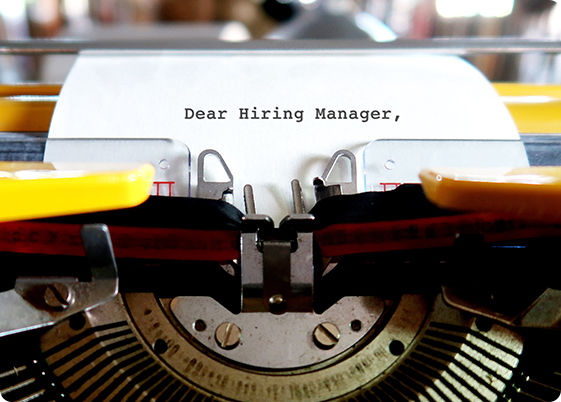
Use a polite, professional greeting. When possible, address the hiring manager by name. If you cannot find the name, use a neutral greeting such as “Dear Hiring Manager”. A personalised greeting is one of the earliest tips for a good cover letter, as it shows effort.
Introduction
The introduction is your opportunity to capture attention. State the role you are applying for, how you found it, and one reason you believe you are a strong fit. This short paragraph sets the tone for the rest of the letter.
Body Paragraphs
This is the main part of your cover letter. The body paragraphs should:
- Highlight your most relevant skills and achievements.
- Explain why you are interested in the company.
- Describe how your experience matches the role requirements.
- Demonstrate value with short examples.
Using quantifiable results in this section is one of the best tips for writing a good cover letter. It provides evidence of your capability and makes your letter more persuasive.
Conclusion
End the letter by expressing enthusiasm for the role and summarising why you would be a strong addition to the team. A clear, positive finishing paragraph helps your application feel complete.
Signature
Close your letter with a polite ending such as “Kind regards” followed by your full name. If submitting a digital letter, you may add your contact number below your name.
How to Tailor Your Cover Letter for Every Job?
One of the most essential cover letter suggestions is to customise each letter for the job you are applying for. Hiring managers can quickly identify generic letters, especially in competitive UK industries.
Tailoring your letter to the advice for writing a cover letter shows sincerity and increases your chances of advancing. Below are tips for great cover letters to help you personalise your application.

Personalise Each Letter for the Job and Company
A successful letter always reflects specific details about the organisation. Mention the company’s values, recent projects, or team focus. This shows that you have researched the employer and are motivated to join them.
Doing this effectively is one of the best cover letter tips, especially when applying for roles that receive many applications.
Use a Strong Opening Sentence
The opening sentence should capture interest. Avoid generic lines such as “I am writing to apply for the role…” Instead, try something more engaging, such as:
“With three years of experience in customer service and a strong passion for problem-solving, I am excited to apply for the Customer Support Executive role at your organisation.”
Starting strong helps your letter stand out immediately. This is why many experts list it among the most important tips for a great cover letter.
Showcase Key Achievements with Quantifiable Results
Numbers help demonstrate impact. When possible, highlight achievements with measurable outcomes.
For example:
- “Increased customer satisfaction scores by 12%.”
- “Handled 60+ client queries daily while maintaining accuracy.”
- “Reduced processing time by 20% through workflow improvements.”
Using quantifiable results is one of the most successful cover letter tips, especially for applicants who want to prove competence quickly.
Tell Your Story with Examples
While a CV lists skills, a cover letter tells the story behind those skills. Use short examples to explain challenges you handled, projects you led, or teamwork experiences that shaped you.
This approach makes your application feel more personal and convincing.
Keep Language Professional but Warm
A cover letter should feel polite, confident, and approachable. Avoid overly formal phrases like “Herewith I am submitting…” but also avoid casual language. Aim for a balanced tone that reflects professionalism and sincerity.
This is especially important in roles that require strong communication skills, such as BPO jobs or customer-facing positions.
Keep It Concise and Focused
Hiring managers often review many applications. Long paragraphs or unnecessary details may cause them to skip valuable information. Aim for one page or around 300–350 words. Clarity is one of the best tips for writing a good cover letter, especially for busy recruiters.
End with a Clear Call to Action
Your closing should invite further discussion. You can mention your interest in attending an interview or your willingness to provide more details. A simple call to action encourages engagement and leaves a positive final impression.
Conclusion
Writing a strong cover letter requires structure, clarity, and personalisation. By following these application letter tips, job seekers can present their strengths confidently and clearly. Whether you are switching careers and exploring career change tips, improving your communication skills through a professional development plan, or learning new CV writing tips, a polished cover letter can support your professional journey.
In the competitive UK job market, paying attention to detail and tailoring your messaging make your application more appealing. By consistently applying the best tips for writing a cover letter, you can create a positive impression that helps you stand out. As you continue developing your career path, the cover letter advice will be valuable in every application you submit.
For more guidance and career-focused insights, you can explore opportunities and learning resources shared by HGS UK, where job seekers and professionals can strengthen their communication and application skills with confidence.
FAQs
-
How often should I update my cover letter?
You should update your cover letter whenever you apply for a new job. Each application requires a tailored message based on the role and company.
-
What is the difference between a cover letter and a resume?
A resume lists skills, qualifications, and work history, while a cover letter explains your motivation, personality, and suitability for the job.
-
What are common mistakes to avoid in a cover letter?
Avoid generic content, spelling errors, long paragraphs, and irrelevant information. Always tailor your letter to the job.
-
What key information should I include in my cover letter?
Include your contact details, introduction, relevant achievements, motivation for the role, and a positive closing message.