UK
UK Canada
 Colombia
 India
India Jamaica
 Philippines
 US
US SA
SAIn 2026, organisations across industries are increasingly adopting intelligent technologies to deliver faster, more personalised, and more efficient services. As a result, AI in customer experience has become a key focus for companies aiming to remain competitive.
From automated support systems to advanced analytics, AI for customer experience enables businesses to better understand customer needs and respond in real time. This article explores how AI and customer experience are evolving together, highlights major AI customer experience examples, and explains how organisations can improve customer experience with chatbot technologies and other AI-powered solutions.

What Is AI in Customer Experience
AI in CX refers to the use of artificial intelligence technologies to improve customer interactions across different stages of the customer journey. These technologies analyse large amounts of customer data, automate processes, and provide insights that help businesses deliver better service.
Artificial intelligence and customer experience work together to enhance communication, predict customer needs, and personalise interactions. Companies increasingly rely on AI-powered customer experience systems to provide faster responses and more relevant recommendations.
Businesses in the UK are actively investing in AI-driven customer experience technologies to deliver more seamless and efficient customer service.
Top Ways AI Is Transforming Customer Experience in 2026
AI technologies are changing customer engagement across multiple industries. The following are some of the most important ways to use AI to improve customer experience in 2026.
Hyper-Personalised Customer Interactions
Personalisation is one of the most significant advantages of AI-powered customer experience systems.
AI algorithms analyse customer data to deliver tailored recommendations and messages. This helps businesses create meaningful interactions that strengthen customer relationships.
Many AI customer experience examples include personalised product suggestions, targeted marketing campaigns, and customised service responses.
AI-Powered Chatbots and Virtual Assistants
Chatbots and virtual assistants have become essential tools in modern customer support.
Businesses often improve customer experience with chatbot systems that provide instant responses to customer queries. These AI-powered tools can handle tasks such as answering frequently asked questions, tracking orders, and guiding customers through service processes.
Predictive Customer Support and Proactive Service
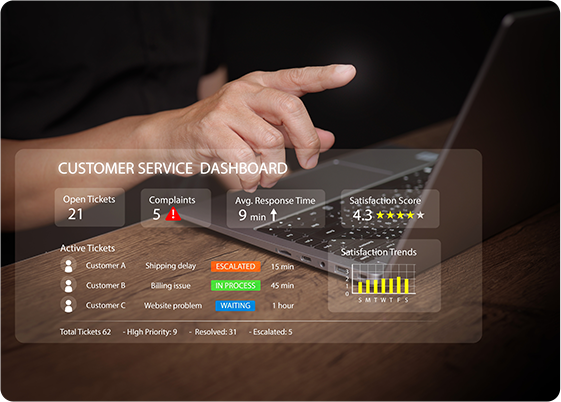
Predictive analytics allows companies to anticipate customer needs before issues arise.
By analysing historical data and behavioural patterns, AI for customer experience can identify potential problems and offer proactive solutions. These predictive capabilities are powerful examples of AI-driven customer experience.
Omnichannel Customer Experience Management
Customers interact with businesses through multiple channels. AI systems help organisations manage these interactions across all platforms, ensuring consistent service quality.
This approach enables companies to implement effective strategies to improve customer experience by maintaining a unified view of customer interactions.
Voice Assistants and AI-Driven Search
Voice technology is becoming an important component of AI in customer experience.
AI-powered voice assistants allow customers to interact with systems using natural speech. These tools can answer questions, guide users through services, and provide information quickly.
Sentiment Analysis and Real-Time Customer Insights
Sentiment analysis is another important application of AI in CX.
AI tools analyse customer feedback, social media posts, and support conversations to determine how customers feel about a brand or service. These insights allow organisations to respond quickly to concerns and improve their services.
How AI Enhances Customer Experience: Step-by-Step Process
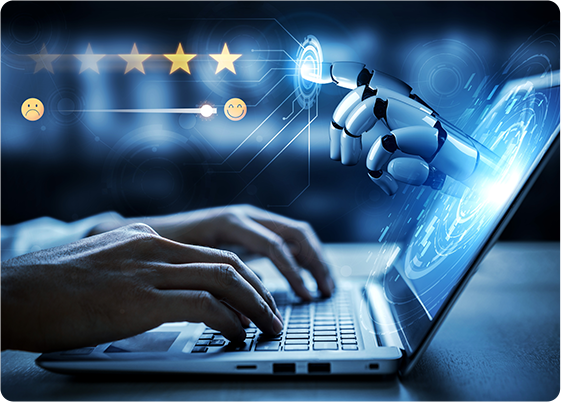
Implementing AI for customer experience involves several steps that allow businesses to gather insights, automate processes, and continuously improve service quality.
Smart Data Collection and Customer Data Analysis
The first step involves collecting and analysing customer data from multiple sources such as websites, customer support systems, and purchase records.
This data helps organisations understand customer behaviour and identify opportunities for using AI to improve customer experience.
Machine Learning Algorithms and Pattern Recognition
Machine learning models analyse large datasets to identify patterns and trends in customer behaviour. These algorithms allow businesses to personalise services, predict customer needs, and create more efficient support systems.
Intelligent Decision-Making Systems
AI-powered decision systems use data insights to recommend actions or automate responses. This demonstrates how AI-driven customer experience solutions enable faster and more accurate decision-making.

Automation of Customer Support and Operations
Automation is one of the most visible applications of AI and customer experience technologies.
AI-powered systems can automate tasks such as responding to customer inquiries, processing requests, and updating account information. This automation helps organisations reduce operational workload and improve service speed.
Continuous Learning and Experience Optimisation
AI systems continuously learn from new data and interactions. Over time, these systems refine their algorithms and improve their performance. Continuous learning allows organisations to adapt to changing customer expectations and maintain a high-quality AI-powered customer experience.
Key Benefits of AI in Customer Experience
Implementing AI technologies offers several advantages for organisations seeking to enhance customer engagement and service quality.
Faster Response Times and Reduced Wait Periods
AI-powered systems can respond instantly to customer queries, significantly reducing waiting times.
Chatbots and automated systems enable businesses to efficiently manage large volumes of inquiries, which is particularly valuable in industries with high levels of customer interaction.

Highly Personalised Customer Journeys
One of the most important benefits of AI in customer experience is the ability to deliver personalised services.
AI tools analyse customer behaviour and preferences to provide customised recommendations and support experiences.
Improved Customer Satisfaction and Retention Rates
By providing faster responses and personalised interactions, businesses can improve what is customer satisfaction and build stronger customer relationships.
Reduced Operational Costs Through Automation
Automation helps businesses lower operational costs while maintaining service quality. AI-powered systems allow organisations to allocate resources more efficiently and optimise customer service operations.
Data-Driven Business Decision Making
AI systems provide valuable insights that support strategic decision-making.
By analysing customer behaviour and feedback, businesses can refine their strategies to improve customer experience and identify opportunities for growth.
Consistent Customer Experience Across All Channels
AI helps ensure that customers receive consistent service regardless of the platform they use. This unified approach strengthens brand reputation and improves overall service quality.
In addition, as customer service technology evolves, new opportunities are emerging in areas such as call centre jobs in the UK, where professionals increasingly work alongside AI-powered tools to deliver better customer support.
Conclusion
By combining data analytics, automation, and machine learning, businesses can provide faster responses, personalised interactions, and more efficient support systems.
As companies across the UK continue adopting AI-powered customer experience solutions, the integration of AI and customer experience will play a critical role in shaping the future of customer engagement.
Organisations such as HGS UK are actively exploring innovative technologies and AI-driven customer experience strategies to help businesses deliver smarter, more efficient, and customer-focused services.
FAQs
-
How is AI transforming loyalty and retention strategies?
AI analyses customer behaviour and preferences to create personalised offers, loyalty programmes, and proactive support. This helps businesses strengthen relationships and improve retention.
-
Can AI handle emotionally sensitive customer interactions?
AI can detect customer sentiment using language analysis, but complex or emotional situations are usually handled better by human support agents.
-
What are the risks of over-relying on AI in customer experience?
Over-reliance on AI may reduce the human touch and lead to incorrect responses in complex situations. A balance between AI automation and human support is important.
-
How is AI improving accessibility in customer experience?
AI improves accessibility through tools such as voice assistants, speech recognition, and real-time translation, making services easier to use for a wider range of customers.