SA
SA Canada
 Colombia
 India
India Jamaica
 Philippines
 UK
UK US
USCommunication in the workplace is no longer limited to face-to-face conversations or formal emails. In 2026, professionals work across locations, time zones, and digital platforms. As a result, the ability to communicate clearly and effectively has become one of the most valuable workplace skills.
Strong communication supports teamwork, reduces misunderstandings, improves productivity, and builds trust among employees and managers. Whether you are part of an office-based team, a hybrid setup, or an entirely remote workforce, knowing how to improve communication at work is essential for long-term success.
This blog explains why communication matters, outlines practical, modern strategies to improve it in 2026, and highlights common mistakes professionals should avoid in today’s fast-changing work environment.

Why Communication at Work Matters?
The importance of communication at work lies in its direct impact on how teams function and how organisations achieve their goals. Effective communication has a significant impact on decision-making, collaboration, employee engagement, and overall organizational performance.
Clear communication in the workplace ensures that employees understand their roles, expectations, and responsibilities. When messages are unclear or inconsistent, it often leads to confusion, delays, and unnecessary conflicts.
In diverse workplaces across South Africa, effective communication plays a crucial role in supporting inclusivity. Teams may consist of individuals from different cultural, linguistic, and professional backgrounds. Strong workplace communication skills help bridge these differences and encourage mutual respect.
Good communication also plays a role in career development. Professionals who communicate well are often seen as confident, reliable, and leadership-ready. This can influence promotions, performance reviews, and access to high-paying jobs in South Africa, especially in competitive industries.
Proven Methods to Boost Work Conversations in 2026
Modern workplaces require flexible and thoughtful communication approaches. Below are proven methods that focus on clarity, empathy, and efficiency.
Be Clear and Concise
One of the most practical communication tips for work is to keep messages simple and direct. Avoid unnecessary jargon, long explanations, or vague instructions. Clear communication reduces follow-up questions and prevents misunderstandings.
Being concise does not mean being abrupt. It means delivering the key message while respecting others' time and attention. This is one of the most effective ways to improve workplace communication in busy work environments.

Choose the Right Communication Channel
Not every message requires an email or a meeting. In 2026, professionals use multiple platforms, including instant messaging tools, project management software, video calls, and email.
Choosing the right channel is one of the most essential tips for communication in the workplace. Urgent matters may require a call, while detailed instructions are better shared in writing.
Using the wrong channel often leads to delays and confusion. Being mindful of this improves effective communication in the workplace.
Practice Active Listening
Communication is not just about speaking or writing; it also involves listening. Active listening means entirely focusing on the speaker, avoiding interruptions, and responding thoughtfully.
This practice builds trust and shows respect. It is one of the most overlooked yet powerful tips for better communication at work, especially in meetings and team discussions.

Encourage Open and Honest Communication
A workplace where employees feel safe to share ideas, concerns, and feedback promotes transparency. Managers should encourage open dialogue and avoid creating environments where people fear judgment.
Open communication strengthens collaboration and improves morale. It also helps organisations identify problems early and address them constructively.
Improve Written Communication
Written communication remains critical, especially in remote and hybrid teams. Clear emails, reports, and messages help maintain alignment across teams.
Professionals should be aware of tone, structure, and clarity. Avoiding common email mistakes in the workplace, such as unclear subject lines or overly long messages, improves efficiency and professionalism.
Strong writing skills are a core part of workplace communication skills in 2026.

Make Meetings More Effective
Meetings should have clear agendas, defined objectives, and relevant participants. Poorly planned meetings often waste time and reduce productivity.
Sharing agendas in advance, sticking to time limits, and summarising action points are simple but effective communication tips for work that improve meeting outcomes.
Give and Receive Feedback Regularly
Feedback supports learning and performance improvement. Constructive feedback should be specific, respectful, and timely.
Being open to receiving feedback is equally important. This mutual exchange strengthens relationships and promotes continuous improvement, making it one of the best tips to improve communication in the workplace.
Be Mindful of Non-Verbal Communication
Body language, facial expressions, and tone of voice all influence how messages are received. Even in virtual settings, non-verbal cues such as eye contact and posture matter.
Being aware of non-verbal signals supports effective workplace communication tips, especially during presentations and team interactions.
Adapt Communication for Remote and Hybrid Teams
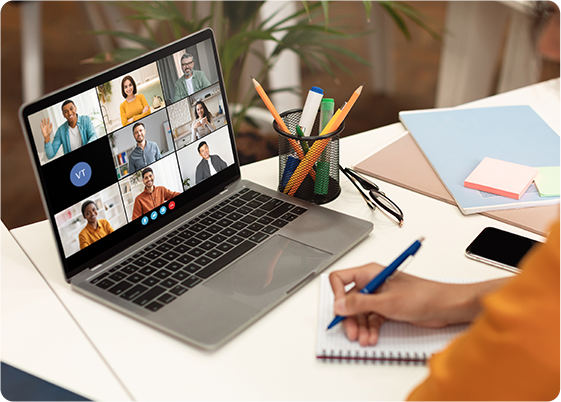
Remote and hybrid work models are now standard in many industries. Communication strategies must adapt to these setups.
Clear documentation, regular check-ins, and the use of collaborative tools help maintain alignment. These approaches are essential for maintaining strong communication in the workplace when teams are not physically together.
Benefits of Strong Workplace Communication
Several long-term benefits of effective communication at work impact both individuals and organisations.
Strong communication improves productivity by reducing errors and rework. It enhances teamwork by encouraging collaboration and shared understanding. Employees feel more engaged and valued when communication is open and respectful.
Effective communication also supports career growth. Professionals who communicate well are better positioned to navigate job search strategies, understand performance expectations, and explore how to choose the right career path.
In customer-facing roles, communication quality directly affects service standards. Clear internal communication helps teams deliver consistent experiences, particularly in sectors such as customer care jobs, where clarity and empathy are essential.
Common Communication Mistakes to Avoid
Even experienced professionals can fall into communication traps. Recognising these mistakes helps prevent long-term issues.
One common mistake is assuming that messages are understood without confirmation. Another is overloading communication channels with unnecessary information.
Ignoring feedback, failing to listen actively, and relying too heavily on written communication without personal interaction can weaken relationships. Poor email practices, such as unclear instructions or incorrect tone, also contribute to misunderstandings.
Avoiding these errors is essential to maintaining strong, respectful communication in the workplace.
Conclusion
Improving communication at work in 2026 requires awareness, consistency, and adaptability. As workplaces continue to evolve, professionals must focus on clarity, active listening, and choosing the right communication tools. In diverse and growing markets like South Africa, effective communication supports productivity, collaboration, and career growth. Organisations that prioritise communication create healthier work environments and better outcomes.
HGS South Africa recognises strong workplace communication as a key driver of employee success and customer satisfaction.
FAQs
-
How does communication boost workplace productivity?
Clear communication reduces errors, saves time, and ensures everyone understands their responsibilities.
-
How does communication build team culture?
Open communication builds trust, encourages collaboration, and creates a sense of belonging.
-
What are the biggest communication challenges at work today?
Remote work, digital overload, and cultural differences are common challenges.
-
What role does technology play in workplace communication?
Technology enables faster, more flexible communication but requires mindful use to avoid confusion.