SA
SA Canada
 Colombia
 India
India Jamaica
 Philippines
 UK
UK US
USArtificial intelligence (AI) is rapidly reshaping how businesses interact with customers. In 2026, organisations across industries are adopting AI-powered tools to deliver faster, more efficient, and personalised service. From chatbots to predictive analytics, AI in customer service is no longer optional—it is a core part of modern business strategy.
This blog explores how AI is transforming customer service, the benefits and challenges it brings, and what the future holds.
What is AI for Customer Service?
AI for customer service refers to the use of artificial intelligence technologies to automate, enhance, and optimise customer interactions. This includes tools such as chatbots, virtual assistants, voice recognition systems, and data analytics platforms.
AI customer support systems can handle routine queries, assist human agents, and analyse large amounts of customer data to improve service delivery. Businesses use AI customer service solutions to provide faster responses, reduce operational costs, and improve customer satisfaction.
In many organisations, especially those undergoing a digital transformation strategy, AI has become central to delivering seamless customer experiences.
Key Ways AI Is Transforming Customer Service in 2026
AI is redefining customer interactions through automation, intelligence, and personalisation, enabling businesses to deliver seamless, efficient, and consistent support across multiple digital and voice channels.
AI Chatbots Deliver Instant 24/7 Support
AI chatbots are one of the most widely used tools in AI-powered customer service. These systems can respond to customer queries instantly, at any time of day.
AI-based customer support chatbots can handle frequently asked questions, process simple requests, and guide users through common issues. This ensures that customers receive immediate assistance without waiting for a human agent.
Businesses using AI for customer service benefit from reduced workload for their teams and improved response times.
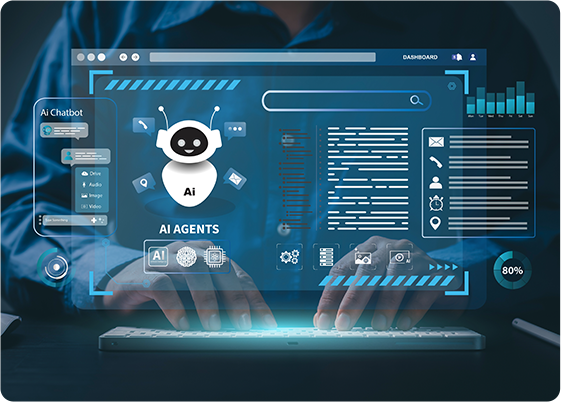
Autonomous AI Agents Handle Complex Tasks
In 2026, AI customer support has evolved beyond simple chatbots. Autonomous AI agents can now manage more complex tasks, such as processing refunds, updating accounts, and resolving multi-step issues.
These systems use advanced machine learning to understand context and make decisions. As a result, AI in customer service is becoming more capable of handling end-to-end interactions without human intervention.
Hyper-Personalised Customer Experiences
AI and customer service are closely linked when it comes to personalisation. AI systems analyse customer data, including purchase history, preferences, and behaviour, to deliver tailored experiences.
This means customers receive recommendations, support, and communication that are relevant to their needs. Personalisation plays a key role in improving what is customer satisfaction, as customers feel valued and understood.
Voice AI Is Transforming Call Centres
Voice AI is revolutionising the artificial intelligence call centre environment. AI-powered voice systems can understand and respond to spoken language, enabling more natural interactions.
Contact centre AI solutions can route calls, transcribe conversations, and provide real-time assistance to agents. In regions such as South Africa, businesses are increasingly adopting voice AI to improve efficiency and accessibility in call centres.
AI-Assisted Human Agents
AI does not replace humans entirely. Instead, it enhances the work of customer service teams. AI tools provide agents with real-time suggestions, customer insights, and automated summaries.
This support allows agents to focus on more complex and emotional interactions, improving overall service quality. Many customer service representative jobs now require familiarity with AI tools and systems.
Predictive Customer Support
Predictive analytics is another powerful aspect of AI for customer service. AI systems can anticipate customer issues before they occur by analysing patterns and trends.
For example, a company can proactively reach out to a customer if it detects a potential problem. This approach reduces complaints and enhances customer experience.
Omnichannel Customer Service
Customers interact with businesses across multiple channels, including email, chat, social media, and phone. AI customer service solutions enable seamless integration across these channels.
This ensures that customer interactions are consistent, regardless of the platform used. AI-powered customer service platforms can track conversations and maintain context across channels.
Benefits of AI in Customer Service
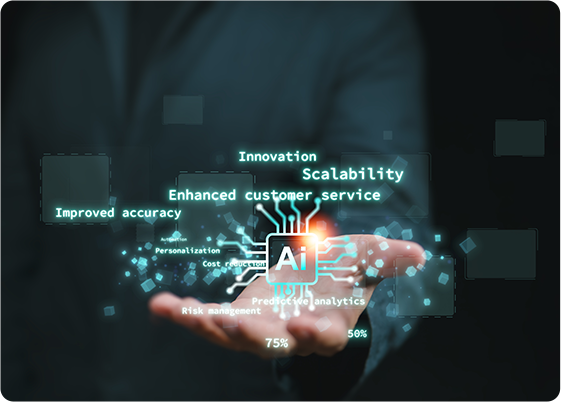
Organisations are leveraging AI technologies to improve operational efficiency, enhance service quality, and deliver faster, data-driven support experiences that meet evolving customer expectations.
Faster Response Times
One of the key benefits of AI in customer service is speed. AI systems can respond instantly to customer queries, reducing wait times significantly.
Cost Efficiency
AI customer support reduces the need for large customer service teams. By automating routine tasks, businesses can lower operational costs while maintaining service quality.
Scalability
AI-powered systems can handle a large volume of interactions simultaneously. This makes it easier for businesses to scale their customer service operations during peak periods.
Improved Customer Satisfaction
Faster responses, personalised interactions, and proactive support all contribute to higher customer satisfaction levels.
Better Data Insights
AI systems collect and analyse customer data, providing valuable insights. Businesses can use this information to improve products, services, and overall customer experience.
Challenges of AI in Customer Service
Despite its advantages, there are several challenges of AI in customer service implementation, including technical complexities, ethical considerations, and the need to balance automation with meaningful human engagement.
Lack of Human Empathy
While AI is efficient, it may struggle to understand emotions. Customers dealing with sensitive issues may prefer human interaction.
Complex Problem Handling
AI systems are not always capable of resolving highly complex or unique problems. Human agents are still needed for such cases.
Privacy and Security Concerns
AI in customer service relies on large amounts of data. This raises concerns about data privacy and security. Businesses must ensure compliance with regulations and protect customer information.
Integration Challenges
Implementing AI customer service solutions can be complex. Integrating new systems with existing infrastructure requires time, resources, and expertise.
The Future of Customer Service with AI
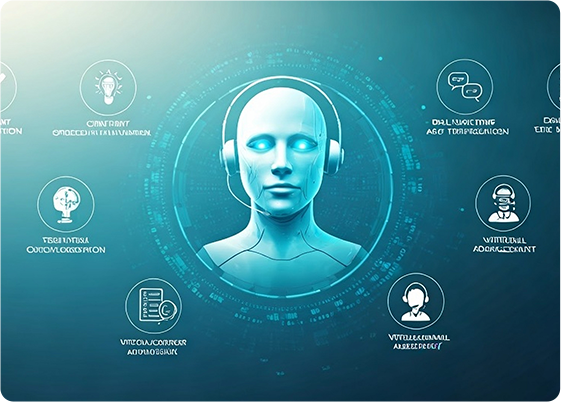
The future of AI in customer service looks promising. As technology continues to advance, AI systems will become more intelligent and capable.
We can expect:
- More natural and human-like interactions
- Greater automation of complex tasks
- Improved integration across platforms
- Enhanced collaboration between AI and human agents
In regions like South Africa, customer service with AI adoption is expected to grow significantly, helping businesses improve service delivery and compete globally.
AI will not replace human agents entirely but will redefine their roles. Professionals will focus more on strategic, creative, and empathetic aspects of customer service.
Conclusion
AI is transforming customer service in 2026 by making it faster, more efficient, and more personalised. From AI chatbots to predictive analytics, businesses are leveraging AI-powered customer service to improve customer experiences and operational efficiency.
While there are challenges, the benefits of AI in customer service outweigh the drawbacks. Organisations that adopt AI customer service solutions as part of their digital transformation strategy will be better positioned for future success.
Companies like HGS South Africa are already embracing AI-driven approaches to enhance customer engagement and deliver high-quality service in a competitive market.
FAQs
-
Can AI replace human customer service agents?
No, AI cannot fully replace human agents. It supports them by handling routine tasks, while humans manage complex and emotional interactions.
-
What industries benefit most from AI in customer service?
Industries such as retail, banking, healthcare, telecommunications, and travel benefit greatly from AI customer support.
-
What is the difference between AI chatbots and virtual assistants?
AI chatbots typically handle specific tasks or queries, while virtual assistants are more advanced and can manage broader, more complex interactions.
-
Can AI personalise customer interactions?
Yes, AI can analyse customer data to deliver highly personalised experiences, improving engagement and satisfaction.