India
India Canada
 Colombia
 Jamaica
 Philippines
 UK
UK US
US SA
SACall centre jobs can be demanding. Between rotating shifts, high call volumes, and the emotional effort of handling customer conversations all day, personal time often gets sidelined. Achieving a healthy work-life balance in BPO is necessary for staying productive, avoiding burnout, and building a long, sustainable career in customer service.
This blog explains why work-life balance in call centres matters, the common challenges employees face, and practical, proven tips that genuinely help. It also looks at what good work-life balance for customer service professionals looks like in a fast-paced BPO environment such as those found across India.

Why Work-Life Balance is Important in a Call Centre
Maintaining work-life balance at work allows employees to recharge, stay mentally sharp, and bring their best selves to every customer interaction. It also supports better physical health, stronger relationships outside of work, and higher overall engagement. Organisations that prioritise the work-life balance of employees typically see lower attrition, better morale, and more consistent service quality. This is especially relevant in India, where the BPO sector employs a large and growing workforce across metro cities and emerging hubs.

Common Work-Life Balance Challenges in Call Centres
Before looking at solutions, it helps to understand what usually gets in the way of balance in this industry.
Rotating or Night Shifts
Rotating or night shifts can disrupt sleep patterns and make it harder to plan personal time, especially when schedules change frequently.
High Call Volumes
Busy periods can mean back-to-back calls with little breathing room. This constant pace can leave employees feeling mentally drained by the end of a shift, with little energy left for anything else.
Emotional Exhaustion
Staying calm and professional in every interaction requires real effort, and without proper recovery time, this can build into chronic stress. Organisations are trying to address this challenge by building awareness around call centre employee wellness.
Limited Personal Time
When work schedules are unpredictable, or shifts run long, it becomes difficult to plan consistent time for family, friends, hobbies, or rest, all of which are essential for a balanced life.
Practical Tips That Actually Work
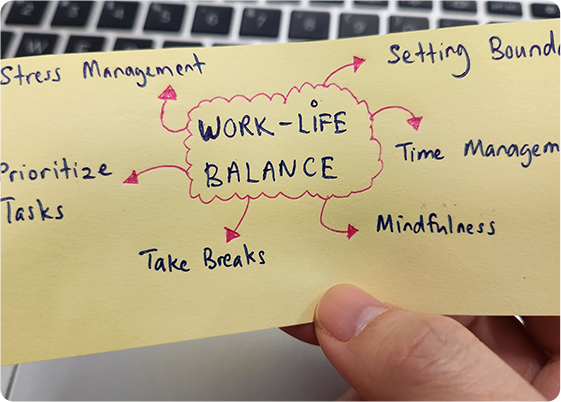
Balance is achievable with the right habits and mindset. Here are some practical work-life balance tips for employees in the call centre industry, along with broader work-life balance strategies for BPO employees that can be applied across different roles and shift patterns.
Create a Consistent Daily Routine
A predictable routine, even with rotating shifts, helps the body and mind know what to expect. Try to keep consistent times for waking up, eating, and winding down, as much as your schedule allows. This structure can reduce stress and make transitions between work and personal time smoother.
Prioritise Quality Sleep
Create a sleep-friendly environment, especially if you work night shifts, by using blackout curtains, limiting screen time before bed, and sticking to a consistent sleep schedule as closely as possible.
Set Clear Work and Personal Boundaries
It is easy for work stress to spill into personal time, especially with remote or hybrid roles. Set clear boundaries, such as not checking work messages during off-hours, to protect your personal space and mental energy.
Take Every Scheduled Break
Skipping breaks to power through calls might feel productive in the moment, but it often leads to faster burnout. Use your breaks to step away from your desk, breathe, and reset.
Practice Stress Management Techniques
Simple techniques such as deep breathing, short meditation exercises, or journaling can make a noticeable difference. Effective stress management for call centre employees does not require hours of free time. Even a few minutes of intentional relaxation between calls can help.
Stay Physically Active
Regular movement, even light stretching or a short walk, helps release tension built up during a shift. Physical activity is also linked to better sleep and improved mood, both of which support overall balance.
Eat Healthy During Shifts
Proper nutrition fuels focus and energy. Planning balanced meals and staying hydrated throughout your shift can make a real difference in how you feel by the end of the day.
Learn to Handle Difficult Customers Professionally
Building strong customer service skills helps reduce the emotional weight of difficult interactions. Knowing how to de-escalate a tense conversation and communicate with empathy can make challenging calls feel more manageable and less draining over time.
Build Strong Workplace Relationships
Supportive colleagues and managers can make a significant difference to day-to-day stress levels. Sharing experiences, asking for advice, and simply having someone to talk to during a tough shift can lighten the emotional load.
Make Self-Care a Priority
Balance is also about intentionally caring for yourself outside of work. Making space for the things that recharge you is essential. This is a core part of customer service work-life balance, and it applies just as much to new joiners as it does to experienced team leaders.

Signs Your Work-Life Balance Needs Improvement
It is not always obvious when balance starts to slip. Here are some common warning signs to watch for.
Feeling Tired All the Time
Persistent fatigue, even after a full night's sleep, can be a sign that stress or overwork is catching up with you.
Difficulty Sleeping
Trouble falling or staying asleep is often linked to unresolved stress or an irregular schedule.
Increased Irritability
Feeling more easily frustrated with colleagues, customers, or loved ones can signal that your emotional reserves are running low.
Declining Work Performance
Struggling to focus, making more mistakes, or feeling less motivated at work can point to burnout rather than a lack of skill or effort.
Lack of Motivation
Losing enthusiasm for tasks you normally enjoy, both at work and outside of it, is a common sign of imbalance.
Frequent Headaches or Stress
Physical symptoms like tension headaches, muscle tightness, or stomach issues are often the body's way of signalling chronic stress.
Missing Personal Commitments
If work is consistently causing you to miss important personal plans or events, it may be time to reassess your boundaries and schedule.

Common Mistakes That Hurt Work-Life Balance
Along with adopting healthy habits, it helps to avoid patterns that quietly undermine balance over time.
Skipping Breaks
Working through breaks to "catch up" often backfires, leading to lower energy and focus later in the shift.
Working During Days Off
Checking messages or taking extra shifts on days meant for rest can prevent full recovery and increase long-term stress.
Ignoring Stress
Pushing through stress without addressing it usually allows it to build up until it becomes harder to manage.
Poor Sleep Habits
Irregular sleep schedules, especially with rotating shifts, can affect mood, focus, and overall health if not managed carefully.
Taking Customer Interactions Personally
Difficult calls are rarely personal, even when they feel that way in the moment. Learning to separate a customer's frustration from your own self-worth is an important part of protecting your mental well-being.
Conclusion
A healthy work-life balance in BPO is achievable with the right habits, boundaries, and support systems in place. By recognising common challenges, watching for early warning signs, and applying practical work-life balance suggestions like the ones outlined above, call centre employees in India can protect their well-being while continuing to grow in their careers. A few consistent call centre work-life balance tips, practised regularly, can make a lasting difference over time.
If you are exploring customer service jobs and want to build a career with strong support for well-being, understanding both the customer service qualities and customer service duties and responsibilities that come with the role can help you find a position that fits your lifestyle and long-term goals. At HGS India, employee well-being is treated as a genuine priority, not an afterthought, and this focus helps teams build careers that are both productive and sustainable.
FAQs
-
What are the long-term effects of poor work-life balance in customer service jobs?
Over time, poor balance can lead to chronic stress, burnout, reduced job satisfaction, and physical health issues, along with strained personal relationships and declining performance at work.
-
How many hours should a call centre employee sleep after a night shift?
Most adults need 7 to 9 hours of quality sleep. Night shift workers should aim for the same, using blackout curtains and a consistent sleep routine to support rest.
-
Does flexible scheduling help improve work-life balance in call centres?
Yes, flexible scheduling can significantly improve balance by giving employees more control over their time, making it easier to manage personal commitments alongside work responsibilities.
-
How do successful customer service professionals manage their personal and professional lives?
They typically set clear boundaries, prioritise sleep and self-care, use stress management techniques, and rely on strong workplace relationships to stay balanced and resilient.