India
India Canada
 Colombia
 Jamaica
 Philippines
 UK
UK US
US SA
SAWhether you are a student planning your next steps or a professional mapping out your career, understanding short-term and long-term goals is essential to making real progress. When it comes to short-term vs long-term goals, both types play different roles, and knowing how to use them together can make the difference between drifting through your career and moving forward with purpose.
This blog explains what are short-term goals, what are long-term goals, the characteristics of short-term goals, compares their key differences, and shares practical strategies for setting and balancing both, so you can build a career plan that feels both achievable and meaningful, no matter what stage of your journey you are currently in.

What Are Short-Term Goals?
Short-term goals are objectives you aim to achieve within a relatively brief period, typically ranging from a few days to about a year. They often act as smaller steps that build toward a bigger achievement, giving you a clear sense of progress along the way and keeping you motivated during longer projects.
Characteristics of Short-Term Goals
- Specific and Time-Bound: Easier to define and measure than long-term ambitions.
- Require Less Planning: Can be adjusted quickly if circumstances change.
- Flexible by Nature: A useful tool for maintaining steady progress and momentum throughout the year.
Benefits of Short-Term Goals
- Sense of Accomplishment: One of the biggest benefits of short-term goals, gained with every milestone reached.
- Builds Motivation and Confidence: Small wins create momentum for bigger challenges.
- Makes Larger Goals Feel Achievable: Steady progress is easier to sustain over time.
Examples of Short-Term Goals
Common examples of short-term goals include, along with a few short-term and long-term goal examples worth comparing side by side:
- Completing a certification course within three months.
- Improving a specific work skill before your next performance review.
- Saving a set amount of money each month.
- Finishing a project ahead of its deadline.
Each of these examples is specific, time-bound, and achievable within a relatively short window, making them useful building blocks toward bigger ambitions.
What Are Long-Term Goals?
Long-term goals are broader ambitions that typically take several years to achieve. They often shape the overall direction of your personal or professional life, influencing many of the smaller decisions you make along the way, even ones that seem unrelated at first glance.
Characteristics of Long-Term Goals
- Broader in Scope: Require sustained effort over time rather than a quick push.
- Involve Multiple Steps: The path may shift slightly as circumstances and priorities evolve.
- Require Patience: Staying the course is often just as important as the initial planning.
Benefits of Long-Term Goals
- Clear Sense of Direction: One of the core benefits of long-term goals is shaping the bigger picture.
- Guides Day-to-Day Decisions: Helps prioritise what genuinely matters.
- Gives Short-Term Efforts Purpose: Connects daily tasks to something meaningful, rather than feeling disconnected.
Examples of Long-Term Goals
Common examples of long-term goals include:
- Building a leadership career within a chosen industry.
- Achieving financial independence by a specific age.
- Completing an advanced degree or professional qualification.
- Starting and growing a successful business.
Unlike short-term goals, these examples typically unfold gradually over several years and often require ongoing adjustment along the way.

Key Differences Between Short-Term and Long-Term Goals
Understanding the difference between long-term and short-term goals makes it easier to plan effectively and avoid confusing the two when setting priorities.
- Timeframe: Short-term goals span days to about a year; long-term goals span several years or more.
- Scope: Short-term goals are narrow and specific; long-term goals are broader and more ambitious.
- Flexibility: Short-term goals are easier to adjust quickly; long-term goals require sustained, patient effort.
- Measurement: Short-term progress is easier to track; long-term progress is measured gradually over time.
When comparing long-term goals short-term goals side by side, it becomes clear that neither works well in isolation; each supports and strengthens the other. A well-rounded plan usually includes both, working together toward the same overall direction.

How to Set Effective Short-Term and Long-Term Goals
Setting short-term goals and long-term goals effectively starts with clarity and structure. A few consistent habits can make this process far more manageable:
- Be specific: Clearly define what success looks like for each goal.
- Set realistic timelines: Avoid setting deadlines that create unnecessary pressure.
- Break long-term goals into smaller steps: This makes ambitious goals feel more achievable.
- Review progress regularly: Revisit your goals periodically to stay on track.
- Align goals with your values: Ensure your goals genuinely reflect what matters to you.
This approach works well for career goals short and long term alike, helping you stay focused without losing sight of the bigger picture, even during particularly busy or uncertain periods.
How to Balance Short-Term and Long-Term Goals
Balancing short and long-term goals requires viewing them as connected, rather than competing priorities. Each short-term achievement should ideally move you closer to a broader long-term ambition, rather than being an isolated task.
For example, developing strong communication skills or gaining experience through customer service jobs can serve as a valuable short-term step toward a long-term leadership career. Similarly, focusing on the importance of personality development early on can support long-term goals related to confidence, communication, and professional growth. Reviewing both sets of goals together regularly helps ensure your daily efforts remain aligned with your bigger vision, rather than drifting away from it over time.
Common Challenges in Goal Setting
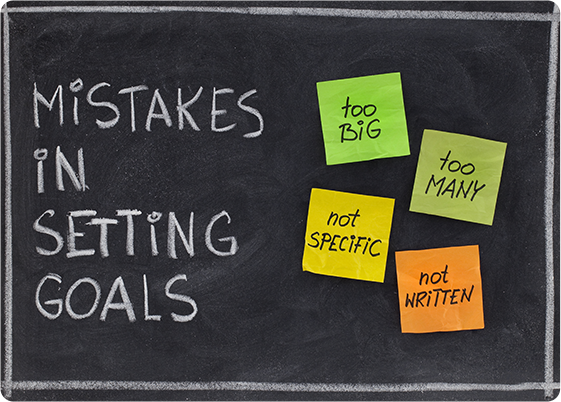
Several challenges of goal setting can make it harder to stay on track, even for otherwise motivated individuals:
- Setting vague goals: Unclear objectives are difficult to measure or act on.
- Overloading your goal list: Too many goals at once can lead to burnout or lost focus.
- Losing motivation over time: Long-term goals can feel distant without visible short-term progress.
- Ignoring long-term goals for constant short-term wins: Focusing only on immediate tasks can limit bigger growth.
- Not reviewing goals regularly: Goals can become outdated without periodic reassessment.
Recognising these challenges early makes it easier to build a more consistent, sustainable approach to goal setting, one that holds up even during difficult or unpredictable periods.
Final Thoughts
Understanding short vs long term goals is not just an academic exercise; it is a practical skill that shapes how effectively you grow, both personally and professionally. Short-term goals provide the steady wins that keep you motivated, while long-term goals give your efforts real direction and meaning. Together, they create a rhythm of progress that feels both grounded and purposeful.
Building leadership skills, habits and understanding how to choose the right career early on can make this balance even more effective over time. For students and professionals across India, mastering both short and long-term goals is one of the most valuable skills for building a fulfilling, well-rounded career, whether you are just starting out or already several years into your professional journey. At HGS India, we encourage our teams to set clear, balanced goals that support both immediate growth and long-term career success.
FAQs
-
Why is goal setting important in personal and professional life?
Goal setting provides direction, motivation, and a clear framework for measuring progress, helping individuals make more intentional decisions in both their personal and professional lives, rather than moving forward without a plan.
-
How can I make sure my short-term goals support my long-term goals?
Regularly review your long-term ambitions and break them into smaller, actionable short-term steps, checking periodically that your daily efforts still align with your bigger goals and overall direction.
-
How do I know if my goals are realistic?
Realistic goals are specific, achievable within your current resources and timeframe, and based on an honest assessment of your skills, circumstances, and available support, rather than wishful thinking alone.
-
What mistakes do people make when setting goals?
Common mistakes include setting vague objectives, taking on too many goals at once, and failing to review or adjust goals as circumstances change over time, which can lead to lost motivation.