India
India Canada
 Colombia
 Jamaica
 Philippines
 UK
UK US
US SA
SAIn today’s highly competitive business environment, organisations must focus on delivering consistent and meaningful customer experiences. One of the most effective ways to achieve this is through customer interaction management (CIM). As businesses in <India> and across the globe embrace digital tools, managing customer interactions efficiently has become a key driver of growth, loyalty, and satisfaction.
This blog explains what customer interaction management is, why it matters in 2026, its key components, and the customer interaction management best practices organisations can follow to succeed.

What Is Customer Interaction Management?
Customer interaction management (CIM) refers to the process of tracking, managing, and improving all interactions between a business and its customers across multiple channels. These channels include phone calls, emails, social media, live chat, and in-person communication.
A customer interaction management system or customer interaction management platform helps businesses centralise customer data, monitor interactions, and ensure consistent communication. Unlike traditional systems, modern customer interaction management solutions focus on providing a seamless and personalised experience.
In simple terms, CIM ensures that every customer interaction is:
- Recorded
- Analysed
- Improved over time
It plays a crucial role in shaping a company’s customer interaction management strategy, helping businesses understand customer needs and respond effectively.
Why Customer Interaction Management Matters in 2026
With the rapid adoption of digital technologies and rising customer expectations, customer interaction management has become more important than ever.
Improves Customer Experience
A well-implemented customer interaction management system ensures that customers receive consistent and personalised responses across all channels. This helps businesses better understand what is customer satisfaction and how to improve it.
When organisations know their customers’ preferences and past interactions, they can provide quicker and more relevant solutions.
Enables Omnichannel Communication
Modern customers interact with businesses through multiple channels. CIM enables omnichannel communication, ensuring that conversations remain connected whether they happen via email, chat, or phone.
This approach eliminates communication gaps and ensures a seamless customer journey.
Increases Customer Satisfaction
By improving response times and personalisation, customer interaction management solutions directly contribute to higher satisfaction levels.
Businesses that understand how to show empathy to customers during interactions can build stronger relationships and trust.
Provides Valuable Customer Insights
CIM systems collect and analyse interaction data, helping organisations gain insights into customer behaviour, preferences, and pain points.
These insights support better decision-making and contribute to a strong digital transformation strategy.

Boosts Sales and Customer Retention
Effective interaction contact management helps businesses identify opportunities for upselling and cross-selling.
When customers feel valued and understood, they are more likely to stay loyal, increasing retention and lifetime value.
Key Components of Customer Interaction Management
To implement a successful strategy, businesses must understand the core customer interaction management components.
Omnichannel Communication
This component ensures that all customer interactions across different channels are integrated into a single system.
It allows businesses to:
- Maintain conversation continuity
- Provide consistent responses
- Improve customer experience

Interaction Tracking and History
Tracking every interaction helps businesses maintain a complete record of customer communication.
This includes:
- Previous queries
- Purchase history
- Feedback and complaints
Such tracking enables better personalisation and faster resolution.
Workflow Automation
Automation is a key feature of any modern customer interaction management platform.
It helps:
- Route queries to the right teams
- Send automated responses
- Reduce manual effort
Automation is especially useful in sectors offering call centre jobs in India, where managing high volumes of interactions is critical.
Data Analytics and Reporting
Analytics tools in a customer interaction management system provide insights into performance metrics such as:
- Response time
- Resolution rate
- Customer satisfaction scores
These insights help businesses continuously improve their processes.
Best Practices for Effective Customer Interaction Management
Implementing CIM effectively requires a combination of technology, strategy, and people.
Centralise Customer Data
Businesses should store all customer information in a unified system. This ensures that teams have access to accurate and up-to-date data during every interaction.
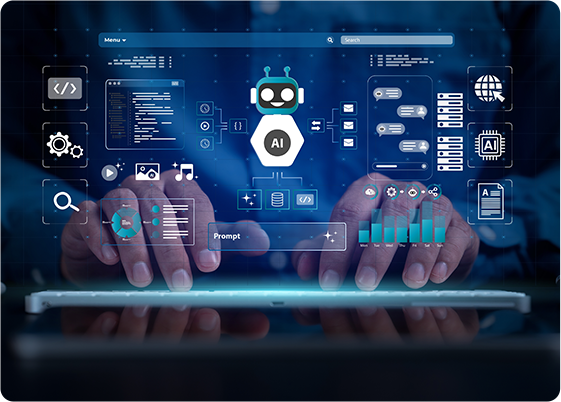
Use Automation and AI
AI-powered customer interaction management solutions can:
- Predict customer needs
- Provide instant responses
- Improve efficiency
Automation also reduces operational costs and enhances productivity.
Monitor Customer Feedback
Regularly collecting and analysing customer feedback helps businesses understand areas of improvement.
Feedback can be gathered through:
- Surveys
- Reviews
- Social media
Train Customer Support Teams
Employees must be trained to handle interactions professionally and empathetically.
Understanding how to manage customer interactions effectively is essential for delivering a positive experience.

Measure Key Metrics
Tracking performance metrics is critical for success. Businesses should monitor:
- Customer satisfaction scores
- First response time
- Resolution rates
These metrics help refine the overall customer interaction management strategy.
Conclusion
In 2026, customer interaction management is no longer optional—it is essential for sustainable business success. With rising customer expectations and increasing competition, organisations must adopt a structured approach to managing every touchpoint across the customer journey. Investing in the right customer interaction management platform allows businesses to deliver consistent, personalised, and efficient service across channels.
Moreover, by implementing strong customer interaction management best practices, companies can streamline operations, reduce response times, and enhance overall service quality. This not only improves customer experience but also strengthens customer satisfaction and long-term loyalty. A well-defined customer interaction management strategy also enables organisations to make data-driven decisions and continuously refine their engagement processes.
As businesses in India continue to grow and embrace digital transformation, companies like HGS India are playing a vital role in providing advanced customer interaction management solutions. These solutions empower organisations to remain agile, competitive, and truly customer-centric in an evolving marketplace.
FAQs
-
Is CIM the same as CRM?
No, CIM focuses specifically on managing customer interactions, while CRM (Customer Relationship Management) covers broader areas such as sales, marketing, and customer data management.
-
What KPIs should I use to measure CIM performance?
Key KPIs include response time, resolution rate, customer satisfaction score, and customer retention rate.
-
How does CIM support customer retention?
CIM improves communication, personalisation, and service quality, which helps build trust and long-term relationships with customers.
-
Who uses Customer Interaction Management systems?
CIM systems are used by customer support teams, sales teams, marketing professionals, and organisations managing high volumes of customer interactions.