US
US Canada
 Colombia
 India
India Jamaica
 Philippines
 UK
UK SA
SA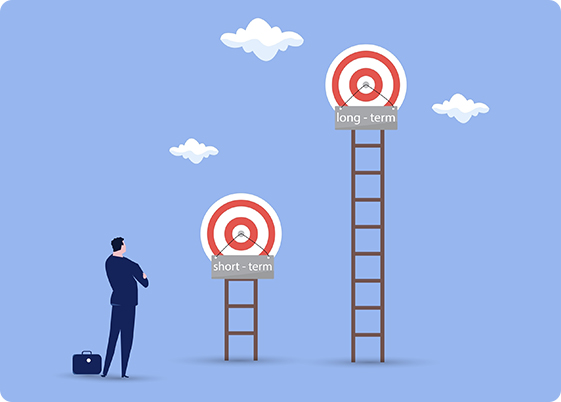
Success rarely happens by chance. It is built through clarity, discipline, consistency, and a strategic approach to personal and professional planning. Whether you're trying to advance your career, improve your skills, or make a major life change, understanding short-term and long-term goals is essential.
Short-term goals provide immediate direction, while long-term goals anchor your larger vision. Together, they create a roadmap that turns aspirations into achievable outcomes. Mastering the art of long and short-term planning empowers individuals to stay focused, motivated, and aligned with their purpose.

What Are Short-Term and Long-Term Goals?
To succeed in any area of life, you must first understand the difference between the two. For instance, improving a specific skill within a month or completing a certification can serve as a short-term and long term goals example, helping readers understand how smaller steps contribute to bigger achievements.
What Are Short-Term Goals?
Short-term goals are objectives you aim to achieve in the near future—typically within days, weeks, or a few months. These goals drive everyday productivity and help measure progress. People often ask, "What are short-term goals?" because these goals shape daily habits that support bigger ambitions.

What Are long-term Term Goals?
Long-term goals take longer to achieve, usually one year or more. These goals define your broader vision: career ambitions, financial milestones, personal growth, and lifestyle aspirations. When planning your future, it’s common to ask, "What are long-term goals and how do they guide decision-making?"
Understanding the difference between short and long-term goals helps you build a balanced strategy for success. Short-term goals act as stepping stones toward long-term achievements.
Why Balancing Both Is Critical for Success
Balancing short-term vs long-term goals ensures that you stay productive today while working toward future aspirations. Short-term goals keep you focused on immediate priorities, while long-term goals provide direction and motivation.
Additionally, balancing both is essential for answering the common career-planning question: “What are your short and long-term goals?” This clarity helps candidates succeed in interviews, performance discussions, and strategic planning roles.
Understanding how to structure long and short-term career goals helps professionals stay focused today while preparing for future advancement. Professionals exploring transitions or new opportunities—such as those researching how to change careers—benefit greatly from setting both goal types.
Learn more: How to Change Careers
Benefits of Short-Term Goals
Short-term goals are powerful tools for maintaining consistency, building momentum, and achieving quick wins. Below are some of the major benefits of short-term goals:
- They help break complex long-term goals into manageable tasks.
- They create daily direction and boost productivity.
- They improve time management and prioritization.
- They provide immediate motivation and progress tracking.
- They build confidence by allowing you to achieve smaller milestones consistently.
People often underestimate the benefits of short and long-term goals working together, but short-term achievements directly fuel long-term success.

Benefits of Long-Term Goals
Long-term goals shape your overall vision and guide major life decisions. They help define what truly matters to you—your ideal career, financial stability, personal fulfillment, and life purpose.
Major benefits include:
- Long-term goals provide clarity, vision, and direction.
- They help in strategic decision-making and future planning.
- They align career goals with personal values and lifestyle priorities.
- They support resilience and motivation during challenges.
- They encourage deep self-reflection and purposeful growth.
Professionals exploring contact center careers or advancing into leadership roles often rely on long-term planning to map out their future.
Read more: Contact Center Careers
How to Set Effective Short-Term Goals
Setting effective short-term goals requires clarity, actionability, and consistency. Follow these steps:
1. Break Down Larger Goals
Identify your big goals and divide them into smaller, achievable tasks.
2. Use SMART Framework
Ensure goals are Specific, Measurable, Achievable, Relevant, and Time-bound.
3. Track and Review Progress Regularly
Self-review keeps you accountable and motivated.
4. Stay Flexible and Adapt
Adjust your approach as needed to maintain momentum.
Short-term goal setting is especially important for individuals learning to survive corporate life and manage daily performance expectations.
Helpful guide: Survive Corporate Life Tips
How to Set Effective Long-Term Goals
Setting long-term goals requires vision, planning, and commitment. Here’s how to create meaningful long-term goals:
1. Define Your Vision Clearly
Know what you want your future to look like, professionally, financially, and personally.
2. Align Goals With Your Values
Choose goals that resonate with your core beliefs and lifestyle aspirations.
3. Develop a Long-Term Action Plan
Map out the steps needed to reach the goal over months or years.
4. Build Strong Habits
Daily habits and routines bring long-term goals to life.
5. Stay Patient and Consistent
Long-term progress requires resilience and discipline.
Strengthening long-term planning can help individuals secure stable opportunities such as customer care jobs, where structured growth and skill-building are essential.

Common Mistakes to Avoid When Setting Goals
Here are frequent pitfalls people experience when working on short term vs long term career goals:
1. Setting Unrealistic or Vague Goals
Unclear goals make progress difficult and often lead to frustration.
2. Not Aligning Goals With Personal Values
Goals disconnected from personal motivation rarely lead to lasting success.
3. Failing to Plan for Obstacles
Preparation for challenges ensures long-term consistency.
4. Ignoring Short-Term Wins
Small achievements matter—they build momentum toward the long-term vision.
5. Not Reviewing Progress Regularly
Regular assessments allow necessary adjustments and renewed focus.
Understanding the difference between short and long term goals prevents individuals from drifting or losing focus along the way.
Conclusion
Setting both short-term and long-term goals is essential for achieving meaningful success. Short-term goals provide structure, clarity, and immediate productivity, while long-term goals guide your overall vision and purpose. Together, they create a balanced plan that drives growth, stability, and personal fulfillment.
Whether you’re planning a career transition, aiming for professional development, or simply trying to achieve a healthier work-life balance, mastering long and short-term planning will help you stay focused and motivated. By combining consistent short-term actions with a strong long-term strategy, you create a powerful roadmap for lasting achievement.
At HGS, we believe in supporting individuals as they build fulfilling careers with clear direction and strong planning. Whether you're exploring new opportunities or growing within customer care roles, HGS offers pathways that encourage development, resilience, and long-term success.
Begin your path today with opportunities at HGS: Customer Care Jobs
FAQs
-
What are examples of effective short-term and long-term goals?
Short-term goals include improving communication skills or completing a certification. Long-term goals include earning a promotion, transitioning to a new career, or achieving financial stability.
-
Why is it important to set both short-term and long-term goals?
Both provide structure and direction—short-term goals create daily progress, while long-term goals guide your broader purpose.
-
How often should I review and adjust my short-term and long-term goals?
Review short-term goals weekly or monthly. Long-term goals should be reviewed every 3–6 months.
-
How can I align my daily habits with both my short-term and long-term goals?
Break long-term goals into daily or weekly tasks and stay consistent through routines, tracking tools, and progress reviews.