US
US Canada
 Colombia
 India
India Jamaica
 Philippines
 UK
UK SA
SA
In today’s rapidly evolving business world, sustainability is no longer a choice but a necessity. Companies are increasingly evaluated not just on profits but also on their impact on society and the environment.
Two important frameworks that guide responsible business practices are ESG (Environmental, Social, and Governance) and CSR (Corporate Social Responsibility). Though often used interchangeably, understanding the ESG vs CSR difference is crucial for leaders aiming to build long-term, ethical, and transparent organizations in the USA and across the globe.
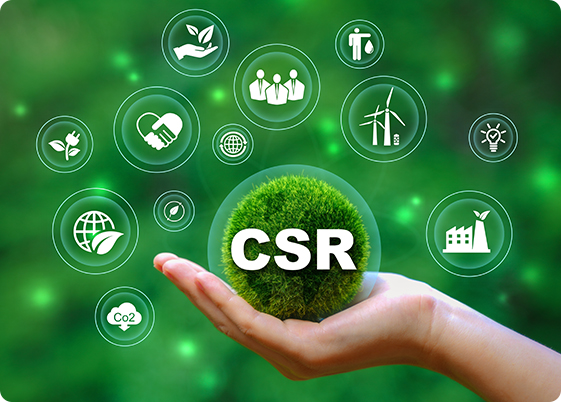
What is CSR?
CSR, or Corporate Social Responsibility, refers to a company’s voluntary initiatives aimed at positively impacting society, the environment, and its stakeholders. To answer, what is CSR? It is rooted in the belief that businesses should go beyond profit-making and contribute to the greater good.
Organizations that practice CSR often invest in community programs, education, healthcare, and environmental conservation. These initiatives enhance a company's reputation, promote goodwill, and demonstrate its commitment to ethical practices.
In essence, CSR represents a moral obligation, businesses giving back to the community that supports them.
Characteristics of CSR
The characteristics of CSR include:
- Voluntary nature: CSR activities are not mandated but driven by company values.
- Community focus : CSR often targets local communities through initiatives such as education drives, skill development programs, or health camps.
- Philanthropy-based : Contributions may include donations or sponsorships for social causes.
- Long-term goodwill : The ultimate goal is to strengthen stakeholder trust and brand image.
A strong CSR culture also helps position an organization as a great place to work, as employees take pride in contributing to social impact initiatives.

What is ESG?
ESG, short for Environmental, Social, and Governance, is a structured and measurable framework that evaluates how a business manages sustainability risks and opportunities. Investors and regulators use ESG criteria to assess corporate performance beyond financial outcomes.
While CSR is values-driven, ESG is performance-driven. It integrates sustainability into business strategy, decision-making, and long-term risk management. Simply put, ESG translates good intentions into measurable actions, ensuring that sustainability becomes an integral part of everyday business operations.
Characteristics of ESG
The key features of ESG include:
- Data-driven approach : ESG focuses on measurable outcomes using defined metrics and performance indicators.
- Investor focus : ESG performance influences investment decisions and market reputation.
- Governance framework : It emphasizes leadership ethics, board diversity, and transparency.
- Compliance-oriented : ESG aligns with international standards and regulations.
- Sustainability integration : It embeds environmental and social practices into the business model rather than treating them as separate initiatives.
Understanding what is ESG helps businesses align their strategies with modern sustainability expectations and enhance investor confidence.

Key Differences Between ESG and CSR
Though both aim to promote responsible business behavior, their methods, goals, and impacts differ significantly. Let’s explore the ESG vs CSR difference under several key parameters.
Nature
CSR is voluntary and ethical in nature, while ESG is analytical and compliance-based, focusing on long-term sustainability metrics.
Focus
Corporate social responsibility vs ESG differs in focus — CSR emphasizes community welfare, while ESG centers on sustainability performance and governance standards.
Measurement
CSR success is often qualitative, based on a brand's reputation or goodwill, whereas ESG utilizes quantitative metrics such as carbon footprint, gender diversity, and board transparency.
Audience
CSR primarily appeals to customers and communities, whereas ESG targets investors, regulators, and analysts who seek accountability and transparency.
Reporting
CSR vs ESG reporting differs as CSR reports usually highlight voluntary initiatives, while ESG reports follow standardized frameworks like GRI or SASB.
Main Goal
CSR focuses on social responsibility and brand image, while ESG aims at measurable performance, risk mitigation, and long-term value creation.
Regulatory Compliance
Regulations and mandatory disclosures often guide ESG, whereas CSR remains voluntary mainly.
Scope
CSR is philanthropic and local in scope, while ESG is strategic and global, integrated into the business model and supply chain.

Why Both Are Important for Business Leaders
Both CSR and ESG play critical roles in building trust, reputation, and long-term sustainability. Let us understand: Why is ESG important, and why is CSR important?
While CSR helps a business contribute to social causes and strengthen community relationships, ESG ensures measurable accountability and transparency for investors and regulators.
For modern organizations in the USA, balancing both frameworks supports ethical leadership and business resilience. They help attract top talent, increase investor confidence, and establish the company as a great place to work, committed to responsible growth.
Additionally, initiatives like HGS CSR demonstrate how companies can combine social responsibility with strategic business goals to enhance both brand value and stakeholder trust.
How to Integrate ESG and CSR Effectively
Integrating ESG and CSR involves aligning ethical intentions with measurable outcomes. Companies can follow these steps:
- Establish clear sustainability goals - Link CSR initiatives with ESG performance indicators.
- Adopt an ESG integration framework- Build measurable sustainability objectives into business strategy and governance.
- Leverage data and technology- Utilize digital tools to track progress, evaluate impact, and enhance transparency.
- Engage employees- Encourage team participation in CSR activities to create a strong sustainability culture.
- Collaborate with stakeholders- Build partnerships with NGOs, investors, and local communities to achieve shared impact.
The relation between CSR and ESG lies in their shared goal—promoting responsible, ethical, and sustainable business practices that benefit both society and the enterprise.
Conclusion
Understanding CSR vs ESG is vital for business leaders aiming to drive sustainable and responsible growth. While CSR reflects a company’s ethical commitment to society, ESG provides a framework for measurable sustainability performance and accountability. Together, they help build resilient organizations prepared for future challenges.
Ethical business practices and inclusive work environments built on ESG and CSR principles create rewarding opportunities across all functions — from leadership to customer service jobs — enabling employees to be part of a purpose-driven organization.
At HGS USA, sustainability is embedded in both purpose and practice. Through its strong HGS CSR programs and robust ESG framework, the company continues to lead by example, creating a responsible, transparent, and people-first environment that remains a great place to work while supporting long-term business value.
FAQs
-
Are there industries where ESG is prioritized over CSR, or vice versa?
Yes. Industries such as finance, energy, and manufacturing often prioritize ESG due to stringent regulatory requirements and heightened investor scrutiny.
-
What is the role of technology in measuring and reporting ESG versus CSR?
For ESG, advanced digital tools, AI analytics, and cloud-based dashboards help measure data-driven performance metrics. In CSR, technology facilitates the tracking of community project outcomes, social media engagement, and stakeholder communication.
-
What role does data transparency play in ESG compared to CSR?
Transparent ESG data builds trust and reduces reputational risk. CSR transparency emphasizes communicating the social and ethical values underlying initiatives, rather than relying solely on quantitative metrics.
-
What are the key challenges in implementing CSR programs effectively?
Some common challenges in implementing CSR programs include aligning initiatives with core business objectives, ensuring a lasting impact, and maintaining consistent stakeholder engagement. Measuring the outcomes of social and environmental projects can also be complex.