Colombia
 Canada
 India
India Jamaica
 Philippines
 UK
UK US
US SA
SA
In today’s customer-driven world, call centers play a critical role in supporting business success. Whether handling sales inquiries, customer complaints, or technical issues, performance must be measured accurately. This is where call center KPIs become essential. These indicators help managers evaluate service quality, agent productivity, and overall operational efficiency.
Across the global customer support industry, including rapidly growing markets such as Colombia—organizations rely on well-designed KPIs to track performance and guide improvement. This blog explains what call center KPIs are, outlines the most important ones to monitor, and provides practical ways to use them for continuous improvement.
What Are Call Center KPIs?
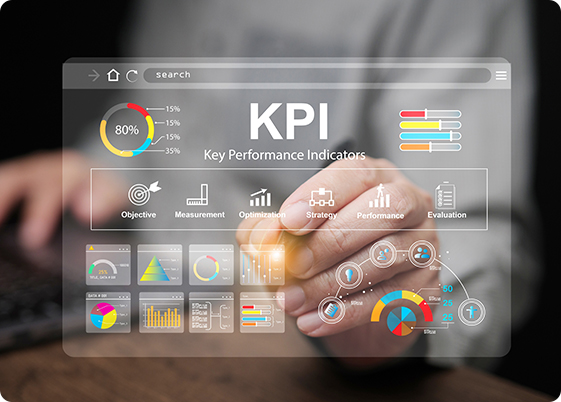
Call center KPIs, also known as call center metrics and KPIs, are measurable values that show how effectively a call center meets its goals. These values help leaders assess performance across service level, customer satisfaction, operational efficiency, agent productivity, and quality.
KPIs are part of a larger system known as contact center key performance indicators, which support strategic decision-making. By using a clear call center KPI dashboard, managers can track trends, identify weaknesses, and plan targeted improvements. These indicators also support benchmarking, resource allocation, forecasting, training needs assessments, and overall workforce planning.
Whether you are reviewing call center KPI metrics, exploring BPO KPI standards, or creating a customised call center KPI template, these measurements provide objective insights into what is working and what needs improvement.
8 Essential Call Center KPIs
Below are the most widely used call center key performance indicators. These are also common call center KPI examples used by high-performing organisations worldwide.
1. First Call Resolution (FCR)
First Call Resolution measures how often a customer’s issue is fully resolved during the first interaction. A high FCR rate indicates efficient service and strong agent competence. It also reduces repeat calls, operational costs, and escalation rates.
FCR is one of the most trusted call center metrics because it directly influences customer trust and satisfaction.
2. Average Handle Time (AHT)
Average Handle Time calculates the average duration of a customer interaction, including talk time, hold time, and after-call work. A balanced AHT ensures agents work efficiently without compromising service quality.
Monitoring this metric allows supervisors to identify training gaps, simplify processes, and improve customer experience.
3. Customer Satisfaction Score (CSAT)
CSAT is a widely used measure of customer satisfaction after an interaction. It is often captured through post-call surveys.
This KPI helps call centers track service quality and understand whether agents are meeting customer expectations. CSAT is also an important part of broader customer experience metrics used in service industries today.
4. Net Promoter Score (NPS)
Net Promoter Score assesses how likely customers are to recommend the company to others. It is an essential measure of customer loyalty.
A high NPS signals that the call center provides excellent support, while a low score may indicate issues with communication, resolution, or customer experience.
5. Abandonment Rate
Abandonment Rate measures the percentage of customers who disconnect before reaching an agent. High abandonment rates usually occur when wait times are long or staffing levels are insufficient.
Reducing this rate improves customer satisfaction and enhances service accessibility.
6. Call Quality Monitoring
Call Quality Monitoring evaluates how well agents follow scripts, comply with policies, and use appropriate communication skills.
Quality monitoring is typically performed through call audits, speech analytics, or supervisor reviews. These insights help maintain consistency and effective service delivery.
7. Call Arrival Rate
Call Arrival Rate tracks the number of incoming calls in a specific period. It is a fundamental KPI for contact center workforce planning.
Understanding call arrival patterns helps managers schedule agents effectively, reduce wait times, and improve service levels.
8. Agent Turnover Rate
Agent Turnover Rate measures how frequently employees leave the call center. High turnover affects productivity, training costs, and service quality.
Tracking this KPI helps leaders identify underlying issues such as workload, engagement, or workplace culture. Reducing turnover also supports hiring strategies for roles such as BPO jobs, which depend on stability and long-term skill development.
How to Use Call Center KPIs for Improvement?
Monitoring KPIs is only the first step. The next step is learning how to use the data to improve operational performance.
- Benchmark current data using industry standards and internal performance history.
- Identify root causes by reviewing detailed reports and comparing KPIs over time.
- Use a KPI call center dashboard to clearly visualize performance patterns.
- Set realistic, measurable goals based on data insights.
- Align KPIs with business objectives, such as improving customer satisfaction or reducing call congestion.
- Prioritize improvement areas based on urgency and impact.
- Review KPIs regularly to monitor progress and adjust strategies when needed.
When contact center KPIs are used strategically, they can optimise workflows, increase agent productivity, and strengthen both service quality and operational efficiency.
Practical Tips for Improving Call Center KPIs
Here are practical ways to improve key performance indicators call center operations depend on:
- Train Agents Continuously: Provide regular training sessions on communication, product knowledge, and problem-solving. Effective training improves FCR, AHT, CSAT, and NPS.
- Strengthen Workforce Management: Use forecasting tools to plan ideal staffing levels based on call arrival patterns. This reduces abandonment rates and improves service levels.
- Improve Internal Knowledge Base: Add clear FAQs, process guides, and scripts. This helps agents resolve issues faster and enhances customer experience.
- Use Technology to Automate Repetitive Tasks: Automation, IVR systems, and AI-powered assistants reduce call volume, allowing human agents to handle complex queries.
- Monitor Quality Consistently: Use structured scorecards and analytics to maintain high-quality service.
- Empower Agents With Decision-Making Authority: Allowing agents to approve resolutions or make quicker decisions can significantly improve FCR.
- Reduce Call Complexity: Simplify processes, update outdated workflows, and remove unnecessary steps that slow down interactions.
- Improve Internal Communication: Clear, timely communication between teams helps agents respond confidently and accurately.
- Celebrate Performance Achievements: Recognizing high performers builds motivation and reduces turnover.
- Gather Customer Feedback Regularly: Customer feedback provides insights into pain points and helps refine processes and training programs.
These practices ensure long-term improvement in call center KPI metrics and drive stronger customer satisfaction.
Conclusion
Call center success depends on accurate measurement and continuous improvement. By tracking essential KPIs such as FCR, AHT, CSAT, NPS, abandonment rate, call quality, arrival rates, and turnover, managers can build a data-driven strategy to strengthen operations.
With the right call center KPI dashboard, structured analysis, and practical improvement methods, call centers worldwide—including high-performing teams at HGS Colombia—can deliver exceptional customer experiences and long-term operational excellence.
FAQs
-
How do KPIs support call center workforce management?
KPIs help forecast staffing needs, monitor agent performance, identify training gaps, and maintain service levels, ensuring teams are scheduled efficiently.
-
How do I balance speed and quality while meeting call center KPIs?
Balance is achieved by optimizing processes, improving training, reducing complex tasks, and using technology to streamline interactions without compromising service quality.
-
What trends are emerging in call center KPI measurement and analysis?
Emerging trends include AI-driven analytics, real-time dashboards, customer sentiment analysis, automation tracking, and predictive modelling.
-
How can KPIs help reduce call escalations and improve first-level resolution?
KPIs highlight gaps in agent skills, process efficiency, and customer communication. Addressing these gaps strengthens first-level resolution and reduces escalations.